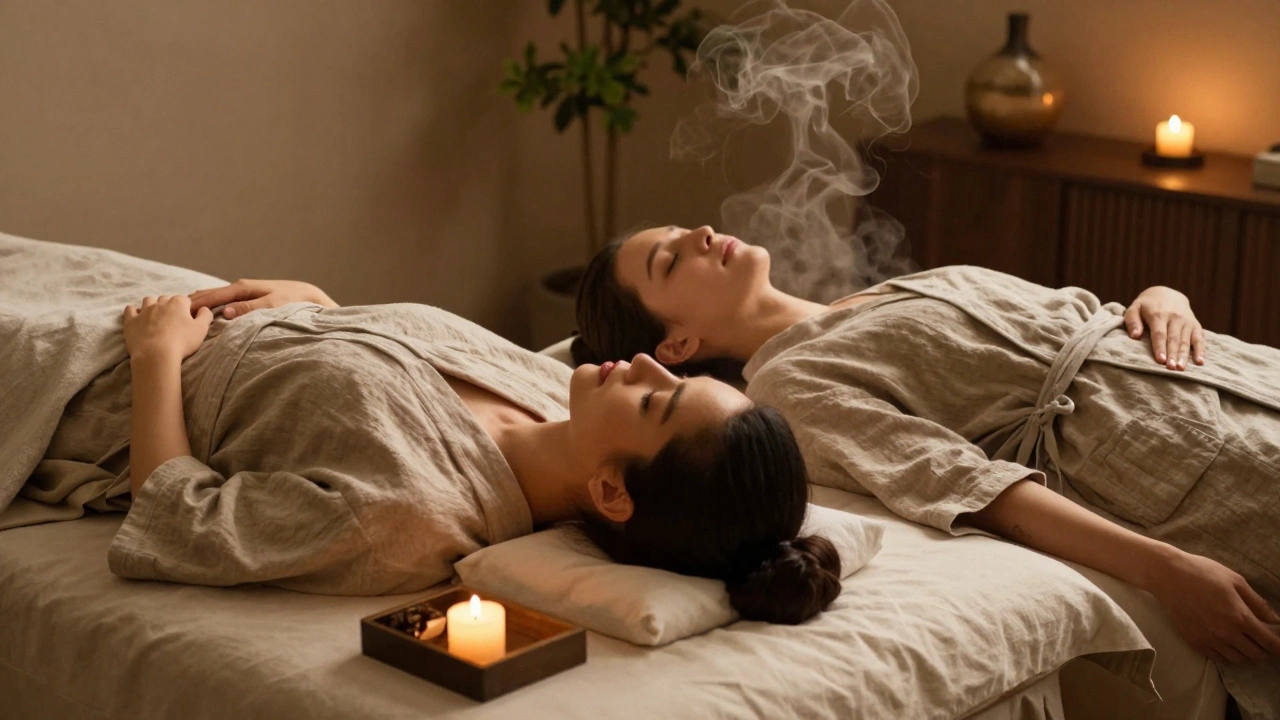
It used to be that massage therapists saw clients one at a time-stress relief, muscle recovery, a quick escape from the daily grind. But over the last few years, something’s shifted. More and more, couples are walking in together. Not just as a date night, but as a shared wellness ritual. They’re booking side-by-side sessions, asking for synchronized pressure, requesting the same scents and music. Couples aren’t just clients anymore-they’re becoming the new primary market for spas and massage studios.
Some of this trend overlaps with the rise of luxury wellness experiences in places like Dubai, where services like massage escort dubai blur lines between relaxation and companionship. But what’s happening in Melbourne, Toronto, and Berlin is different. It’s not about secrecy or fantasy. It’s about connection. People are realizing that touch, when shared, deepens intimacy in ways words can’t.
Why Couples Are Choosing Massage Together
Think about it: when was the last time you and your partner did something that didn’t involve screens, schedules, or small talk about bills? Couples massage offers a rare space where silence isn’t awkward-it’s comforting. No need to fill the air. Just breathing in sync, hands working out knots side by side, eyes closed, bodies relaxed.
A 2024 survey by the International Spa Association found that 68% of couples who tried a joint massage reported improved emotional closeness within two weeks. That’s not just a feel-good stat-it’s a behavioral shift. People are trading movie nights for massage rooms because they’re craving real, physical presence.
The Business Side of Couples Sessions
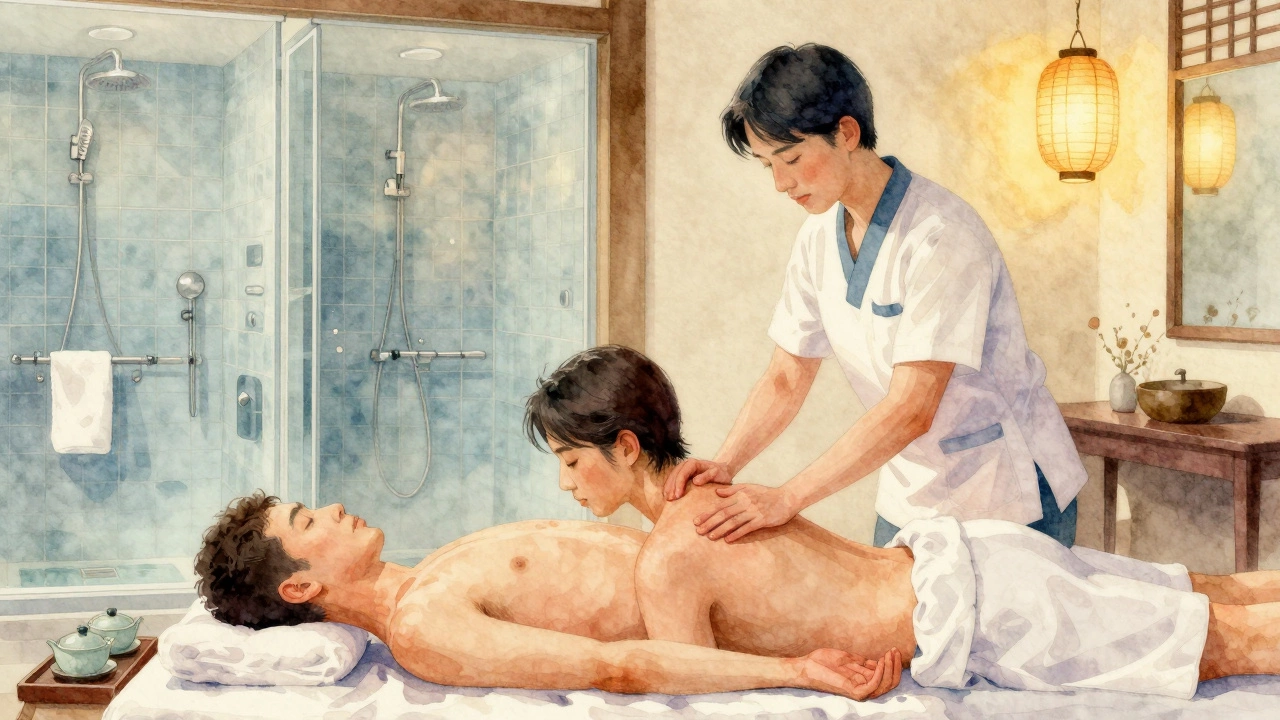
Spas have noticed. Many now offer dedicated couples suites with double tables, private showers, and ambient lighting designed for two. Some even include shared tea service or post-massage lounging with fruit and herbal infusions. The average booking time for a couples session is 90 minutes-30 minutes longer than a solo visit. That’s more revenue, more retention, and more word-of-mouth.
Studios that used to market to stressed executives or athletes are now running Instagram ads showing couples laughing after a session, holding hands leaving the room, wearing matching robes. The messaging isn’t about pain relief anymore. It’s about love language.
What Makes a Great Couples Massage?
It’s not just about doubling the oils and turning up the volume. There are real differences in how therapists approach couples versus individuals.
- Therapists now learn to mirror pressure-matching one partner’s rhythm so both feel equally attended to.
- Communication is key. Before the session, therapists ask: ‘Do you want to touch each other during or after?’ Some couples want to hold hands. Others need total separation.
- Timing matters. If one person falls asleep faster, the therapist adjusts the other’s session to avoid abrupt wake-ups.
Some therapists even take notes on how couples interact-do they hold hands when they walk in? Do they make eye contact? That tells you more than any intake form.
What Doesn’t Work
Not every couple should do this. Some people feel exposed. Others find it weird to be touched while their partner watches. And there’s a big difference between wanting to relax together and expecting romance to spark.
One therapist in Sydney told me about a couple who showed up after a huge fight. They thought a massage would ‘fix’ things. It didn’t. The tension was too deep. The session ended early. That’s why good spas now offer pre-booking consultations-not just to discuss pressure, but to ask: ‘Why are you here?’
How This Changes the Role of the Therapist
Therapists aren’t just technicians anymore. They’re facilitators of emotional space. They learn to read body language between two people. They notice when one partner tenses up when the other sighs. They know when to step back and when to gently redirect.
Training programs are adapting. New certifications now include ‘relationship-aware touch’ modules. It’s not about reading minds-it’s about respecting unspoken dynamics. A good therapist won’t assume two people in love want the same thing. They’ll ask.
Where the Trend Is Headed
Next year, expect to see more ‘couples wellness retreats’-two-day packages with massage, guided meditation, and even shared journaling prompts. Some studios are experimenting with ‘touch language’ workshops, teaching couples how to give each other simple, effective massage at home.
And while apps like Calm and Headspace dominate solo mindfulness, the next wave of digital wellness might be co-designed. Imagine an app that plays synchronized breathing cues for two people on opposite sides of the world-both getting a massage at the same time, connected by sound, not sight.
It’s Not About the Sex
Let’s be clear: this isn’t about escort massage or the kind of services tied to dubai happy ending. Those are entirely different worlds. What’s growing here is the quiet, sacred act of two people choosing to be still together. No expectations. No performance. Just presence.
The real magic isn’t in the oils or the tables. It’s in the quiet moment after the session, when one partner says, ‘I didn’t realize how much I needed this,’ and the other just nods, because they felt it too.
How to Try It
If you’re curious, start simple. Book a 60-minute session at a reputable spa that offers couples rooms. Don’t overthink it. Tell the therapist you’re new to this. Ask if they have experience with couples. Choose a quiet time-weekday afternoons are best. Wear loose clothes. Leave your phone in the locker.
And if you’re nervous? That’s normal. The best thing you can do is show up. Even if you don’t say much. Even if you fall asleep. Just be there-together.
 Sports Analysis